Our Reading Curriculum
For further details please see our Curriculum Overview linked here
Reading is at the heart of our of our curriculum and is fundamental to every child’s success, confidence and future opportunities. It underpins learning, personal development and future success.
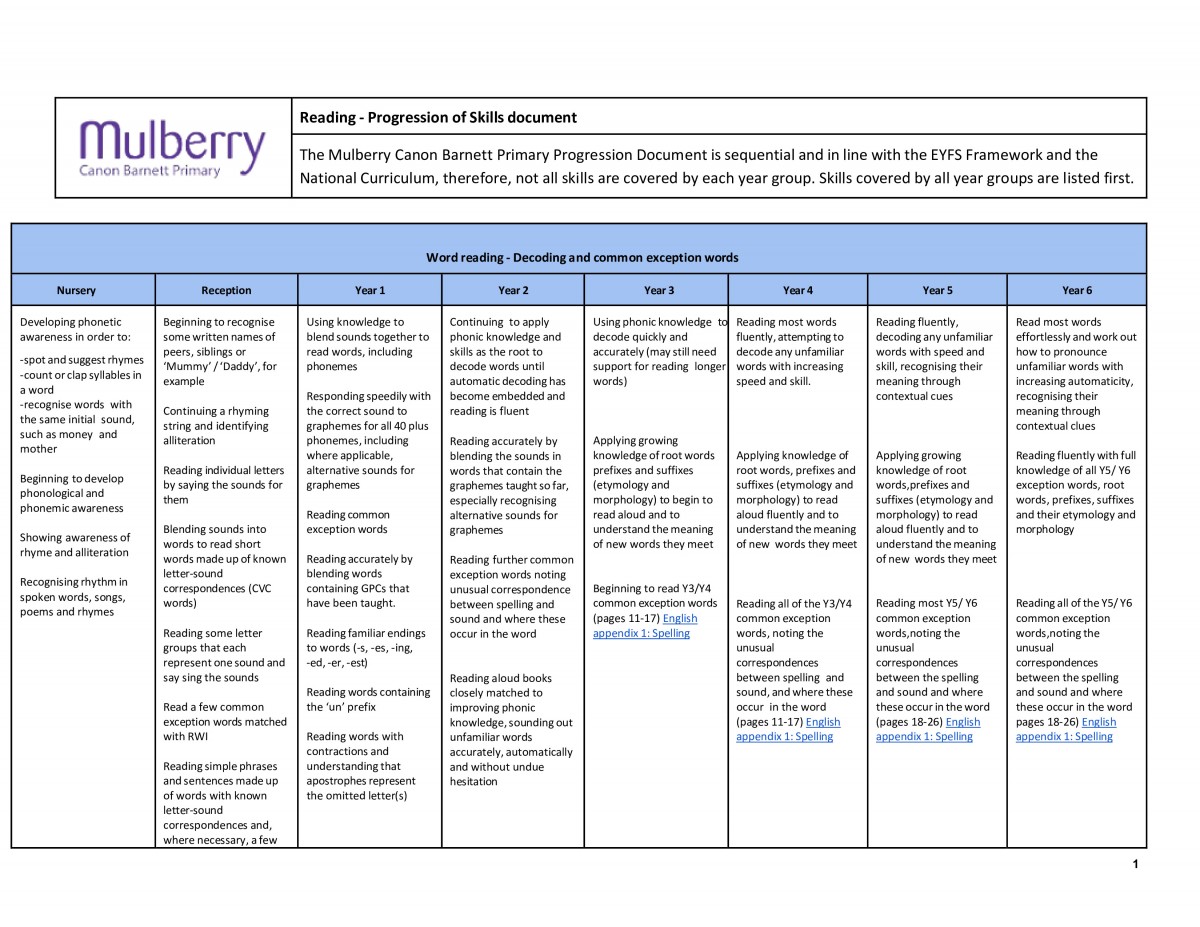
Our reading curriculum is carefully designed around three distinct and complementary strands: Learning to Read, Reading to Learn and Readers for Life. Together, these ensure that all children, whatever their starting point, develop the skills, confidence and motivation they need to become confident readers.
Through a structured approach to early reading, explicit teaching of fluency and comprehension, and a strong emphasis on enjoyment of reading, we support every child to access the curriculum, engage with the wider world and develop a lifelong appreciation for reading.
Learning to Read
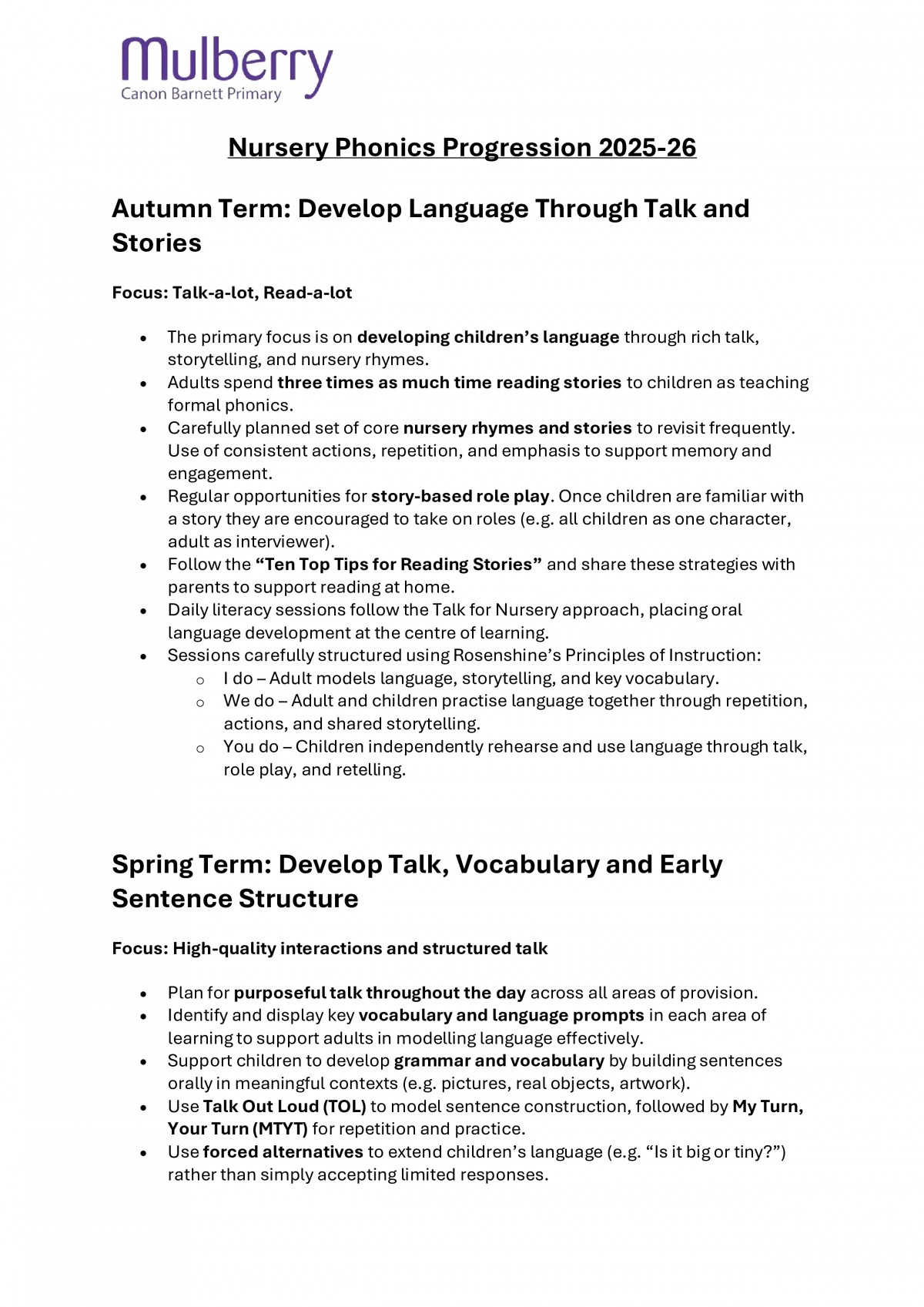
Children begin their reading journey in EYFS through a structured and systematic phonics approach. We follow the Read Write Inc. (RWI) phonics programme, which explicitly teaches children how to recognise sounds, blend them to read words and develop accuracy and automaticity.
Phonics lessons take place daily and are carefully sequenced to ensure that new learning builds securely on what children already know. Children read fully decodable texts that are precisely matched to their phonic knowledge, enabling them to practise successfully and build confidence. Children who need additional support are quickly identified and receive targeted, timely academic support so they can secure key sounds and blending skills.
Reading to Learn
As children become confident readers, the focus shifts to reading to learn. We explicitly teach fluency and comprehension so that pupils can understand, enjoy and engage deeply with a wide range of texts.
Children have daily reading lessons and reading fluency is prioritised so that children can read with accuracy, pace and expression, allowing them to focus on meaning rather than decoding. Children learn key reading comprehension skills including vocabulary development, inference, prediction, explanation, retrieval and summarising. These skills are essential for accessing learning across all subjects and for developing independence as learners both in school and beyond.
Readers for Life
We are committed to developing readers for life and believe that reading is for everyone. Regular reading aloud opportunities are carefully planned and celebrated including daily Storytime across all classes and our Reader’s Chair, where children and staff can share favourite books during assembly, modelling enthusiasm and inspiring others. Each class has a carefully curated Book Nook and access to a diverse range of books that reflect the world around them.
We have revamped our school library, restocking it with a wide range of new, high-quality titles through support from the National Literacy Trust. We build into our curriculum the opportunity to take every child to visit the local library, and we are building a strong partnership with Brick Lane Bookshop to provide access to diverse, engaging stories, author visits and foster an enjoyment of reading beyond the classroom.
We have also created our first Audio Space, equipped with YOLO devices, where children can listen to a wide variety of stories, developing imagination, listening skills, and enjoyment of texts in a new and interactive way.
We actively promote enjoyment of reading through initiatives such as World Book Day, author visits, library lunch clubs, reading challenges and competitions and regular opportunities for children to recommend and talk about books. Staff model enthusiasm for reading and help children discover texts that inspire curiosity, imagination and enjoyment.
Contact us
For more information on our school curriculum please contact us at admin@mulberrycanonbarnett.org
Email subject: Curriculum Enquiries
Alternatively, please contact a member of our office team who will guide you to the most appropriate member of staff- this may be the school senior Curriculum, Data and Assessment Lead, our EYFS Lead, KS1 Phase Lead, KS2 Phase Lead or an individual subject lead.