Our Oracy Curriculum
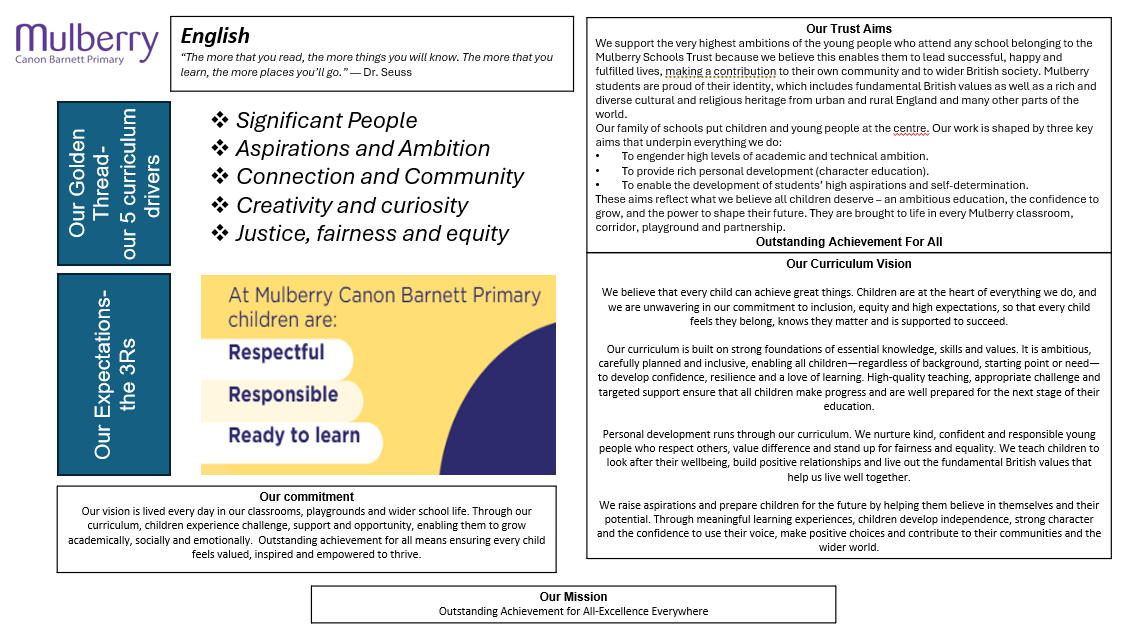
For further details please see our Curriculum Overview linked here
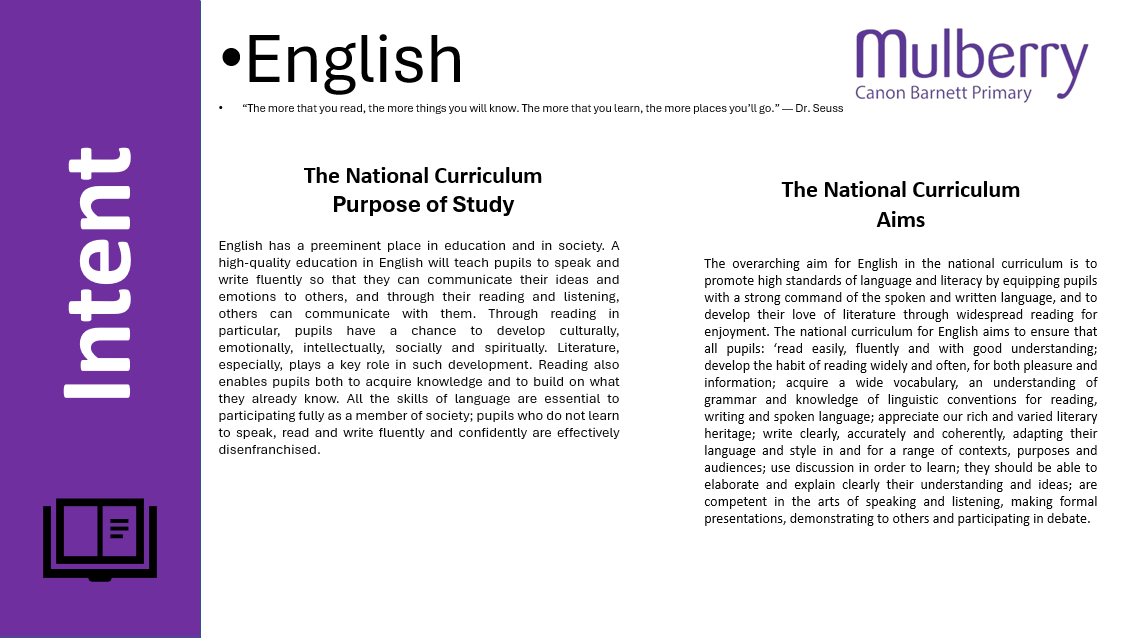
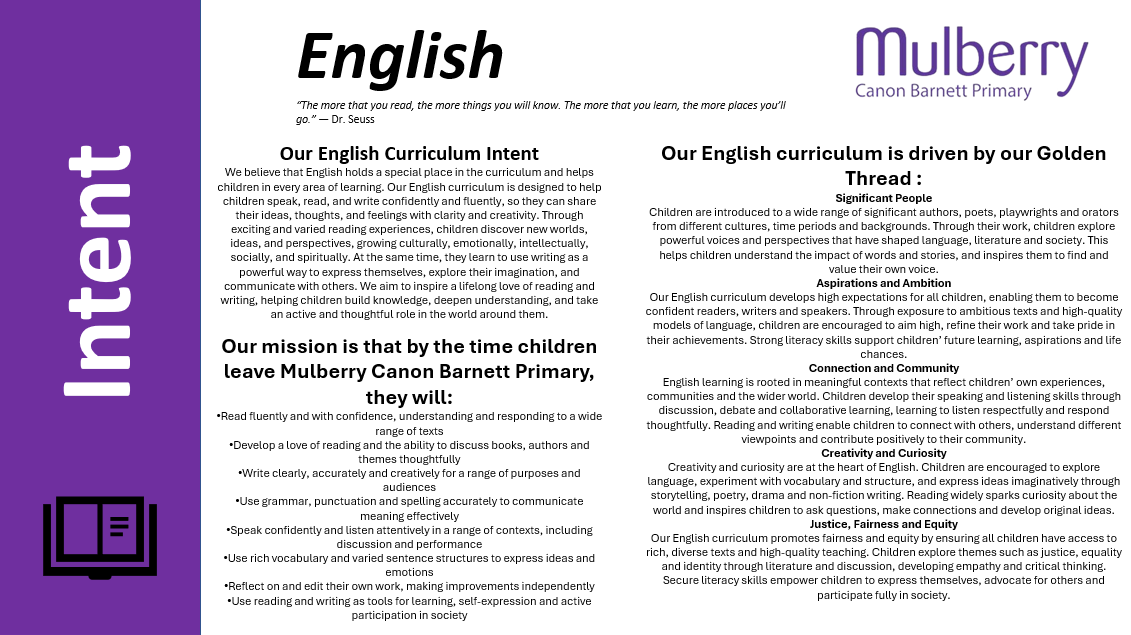
Oracy is central of our curriculum and is fundamental to every child’s success, confidence, and future opportunities. It underpins learning across all subjects, supports personal development, and equips children with the skills to communicate effectively in school and beyond.
Our oracy curriculum is carefully designed around three distinct and complementary strands: Learning to Talk, Talking to Learn, and Talkers for Life. Together, these ensure that all children, whatever their starting point, develop the skills, confidence, and motivation they need to become articulate and effective communicators.
Through a structured approach to early speaking, explicit teaching of vocabulary, sentence structure, speaking strategies, and active listening, alongside a strong emphasis on purposeful and enjoyable talk, we support every child to access the curriculum, engage with the wider world, and develop lifelong communication skills.
Learning to Talk
Children begin their oracy journey in EYFS through structured opportunities to develop listening, speaking, and vocabulary skills. We use the TALK Approach and the ShREC Approach to ensure high-quality, inclusive talk experiences for all children:
- TALK Approach – encourages children to Think, Ask, Listen, and Know, helping them engage thoughtfully in conversations, develop ideas, and respond effectively to others.
- ShREC Approach – focuses on Sharing, Repeating, Exploring, and Connecting language, providing structured opportunities for children to build vocabulary, practise sentence structures, and develop confidence in expressing themselves.
Children are encouraged to share ideas, describe experiences, and engage in small-group and whole-class discussions. Teachers model effective speaking and listening, scaffolding children’s responses and providing sentence stems to support all learners.
Early oracy is carefully sequenced so that new skills build securely on prior learning. Children who need additional support are quickly identified and receive targeted interventions to ensure they can participate confidently and effectively in spoken activities.
Talking to Learn
As children progress, the focus shifts to using talk to support thinking, learning, and positive communication across the school. Children learn to explain ideas, ask questions, reason, debate, and collaborate effectively in groups.
In addition, children are encouraged to use manners, kind words, and speak in full sentences in all spoken interactions. This helps them communicate respectfully and confidently with peers and adults, fostering a positive school environment and reinforcing social and emotional learning.
Teachers explicitly teach skills such as effective turn-taking, active listening, structured responses, discussion strategies, and polite language. Children are given regular opportunities to practise these skills across all subjects, helping them think critically, clarify their ideas, and communicate clearly and kindly.
Talkers for Life
We are committed to developing confident speakers for life. Children are provided with regular opportunities to speak in a wide range of contexts, from class presentations and debates to performances, assemblies, and events.
Our curriculum celebrates diversity of language and communication styles, ensuring all children can participate and be heard. Resources, prompts, and scaffolds are carefully chosen to be inclusive, supporting learners with additional needs, EAL, or speech and language difficulties.
We actively promote a love of spoken language through initiatives such as weekly Oracy assemblies, drama activities, storytelling and discussion sessions. This work can be seen in the school being awarded the Bronze Oracy Award from Tower Hamlets last year; we are currently working towards the Silver Award this year. Staff model enthusiasm for communication and help children discover how speaking effectively can inspire, inform, and connect with others.
Contact us
For more information on our school curriculum please contact us at admin@mulberrycanonbarnett.org
Email subject: Curriculum Enquiries
Alternatively, please contact a member of our office team who will guide you to the most appropriate member of staff- this may be the school senior Curriculum, Data and Assessment Lead, our EYFS Lead, KS1 Phase Lead, KS2 Phase Lead or an individual subject lead.